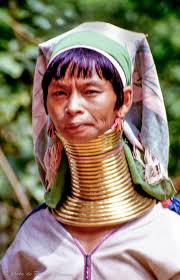
 When you see someone what about them makes you think they are beautiful? Their shimmering eyes? The perfectly positioned nose on their face? Or maybe even their evenly toned skin? There are times when two people disagree if someone is beautiful. Individually and culturally we all have our own standards of beauty. That’s why your ‘type’ may not be my ‘type.’ People go to great lengths to achieve personal, cultural and societal beauty. I have read a lot about cultural beauty and I wanted to share a few of the very interesting ones. You may already know some of them, but I hope you learn some new ones too. At the end of the day, like Scottish philosopher Francis Hutcheson said, ‘beauty is unity in variety and variety in unity.’ You don’t have to agree with someone else’s standard of beauty, you just need to understand it. Before I get into 5 cultural beauty standards from around the world, I’d like to share a few things interesting tidbits. Symmetry and proportions have a direct connection with beauty. Psychologist Steven Gangestad set about measuring the body symmetry of hundreds of college men and women. By adding up right-left disparities in seven measurements; the breadth of the feet, ankles, wrists, hands, elbows, breadth and length of ears to score each subject’s overall body symmetry. He had the subjects fill out questionnaires covering everything from temperament to sexual behavior, and they set to look for any connections. In the 1994 study, they found symmetrical males started having sex, 3 to four years earlier than their lopsided counterparts. And for both men and women, greater symmetry predicted larger number of past sex partners. Symmetry has been scientifically proven to be attractive to the eye, no matter which part of the world you find yourself. A 1996 study published in Newsweek Magazine shows that people considered beautiful fare better with parents and teachers, make more money and more friends. I am not exactly sure if this still stands as the study is almost 20 years old but I am almost certain that it might still be true. Now let’s move on to 5 very interesting beauty standards around the world: 1.Kayan Tribe: Members of the kayan tribe between Burma and Thailand perceive a beautiful woman as one with a long neck. The female starts as early as 5 years old, wearing brass rings around their necks which pushes down their shoulder and therefore elongates the neck. More rings are added as they grow older. This beauty ritual has been around for years and years and it will be for centuries to come.
  2. Ethiopia: If you ever take a trip to Ethiopia and you meet a young lady with scars on her stomach, don’t panic, she has not been physically abused. It is actually a beauty ritual, it means the girl is from the Karo tribe of Southern Ethiopia and that she is ready for marriage. Some of these scars are made in such detailed and complicated patterns.
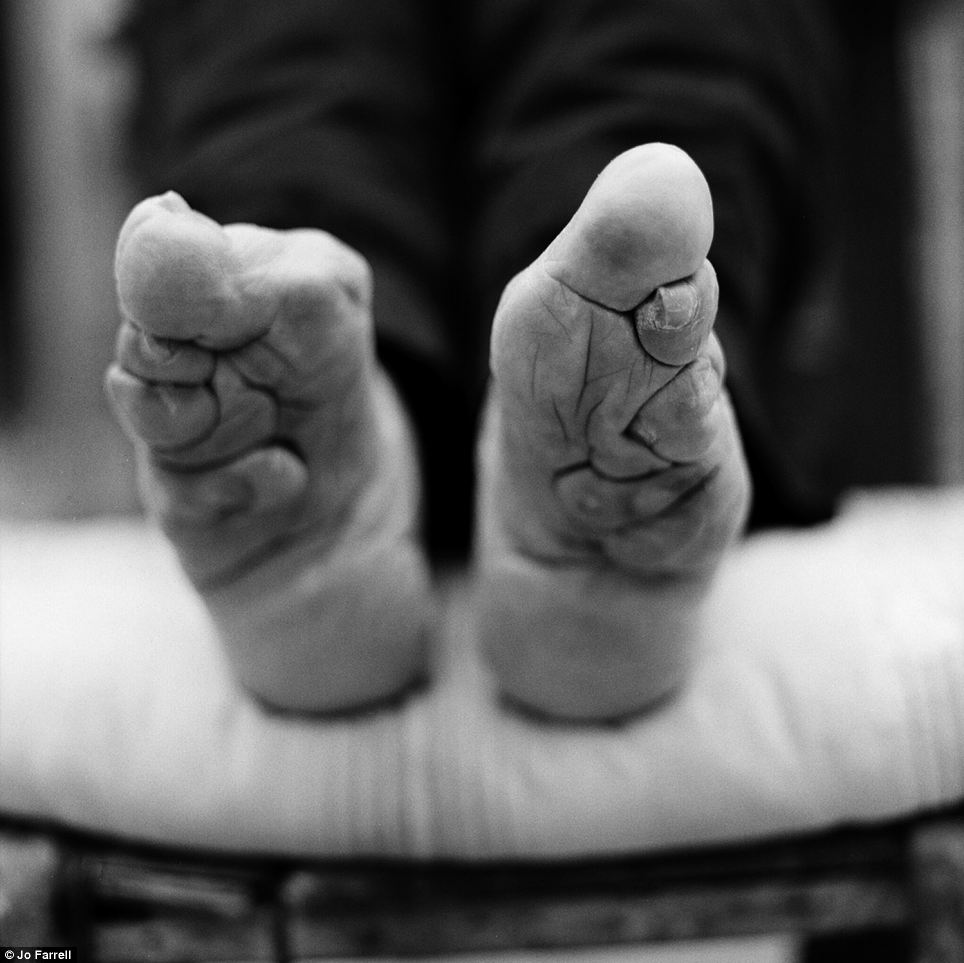
  3. Africa: In some parts of Africa, unlike the West, bigger is better. Skinny women are pitied and they are considered poor and sick. Women are fed as much as possible to make them bigger and thus beautiful. Being big in some African cultures is a sign of prosperity and wealth. Unfortunately I do not feel very comfortable adding a picture on this one. I hope you understand if you’re reading this. 4. China: This ritual is outdated (thank goodness) but I thought it would still be interesting to add it on here. Lotus feet is the ritual, also called foot binding. Foot binding became popular as a means of displaying status, women from wealthy families who did not need them to work could afford to have their feet bound, and was correspondingly adopted as a symbol of beauty in Chinese culture and a prerequisite for finding a husband. The ritual begins when a girl is between 4 and 7 years of age, all of her toes are broken except the big toes, and painfully tight binding is wrapped around the feet of these young girls to prevent further growth.
  5. Korea: In Korea it is an enviable trait to have a light skin tone. It basically means you stay indoors and you don’t work outside which implies high class. There are great lengths that Korean women will go to achieve the pale skin. Some will go as far as bleaching the outer layer of their skin to achieve the ‘white skin’. There is so much sunscreen infused in lotions in Korean to aid this beauty ritual. I would however like to state that, not all Korean women do this. It may not be very common but some Korean women actually favor darker skin tones.
I can’t say which one of the beauty rituals work and I definitely wouldn’t know how to compare the different types of beauty. One thing is certain: beauty is defined by the places we find ourselves, cultures that have been created for us, traditions that are here to stay for us to follow. We all find beauty in diversity and every individual also has their own subjective concept of beauty.












 I will practice acceptance. Today I will accept people, situations, circumstances, and events as they occur. I will know that this moment is as it should be, because the whole universe is as it should be. I will not struggle against the whole universe by struggling against this moment. My acceptance is total and complete. I accept things as they are this moment, not as I wish they were.——-THE CHOPRA CENTER
 World's forgotten girl